
If you live in Southlake, Texas and you are planning a home addition, you probably want one thing most of all: a clear timeline. The truth is that every project is a little different. Still, most home additions follow the same steps, so you can get a solid estimate before you start.
In many cases, a home addition takes about 3 to 6 months once construction begins. The full process can be longer when you include design and permits.
A simple home addition timeline
Here is a realistic, easy way to think about the schedule:
- Planning and design: 2 to 6 weeks
- Permits and approvals (City of Southlake and related reviews): 2 to 8 weeks
- Construction: 8 to 16 weeks
- Final inspections and punch list: 1 to 3 weeks
Some steps can overlap, but key items like permits and inspections can create natural pauses.
Step 1: Planning, design, and budget
This is when you decide what the addition will be, how it will connect to your home, and what it should cost. To ballpark the budget side, see what a one room addition costs in Southlake.
A few choices that affect time include:
- The size of the addition
- Whether you are adding a bathroom or kitchen items (more trades, more inspections)
- The type of roofline and structural changes needed
- The finish level you want (basic versus custom)
If you already have a clear plan, this phase can move fast. If you are still comparing layouts and costs, it can take longer.
Step 2: Permits and approvals in Southlake
Permits are often the biggest “waiting” part of a home addition. Even with a great contractor, you may have to wait on approvals.
Permits may be needed for:
- Structural work and framing
- Electrical
- Plumbing
- HVAC changes
Good plans help here. When drawings are clear and complete, it is easier for reviewers to approve them with fewer back-and-forth requests.
Step 3: Site prep and foundation
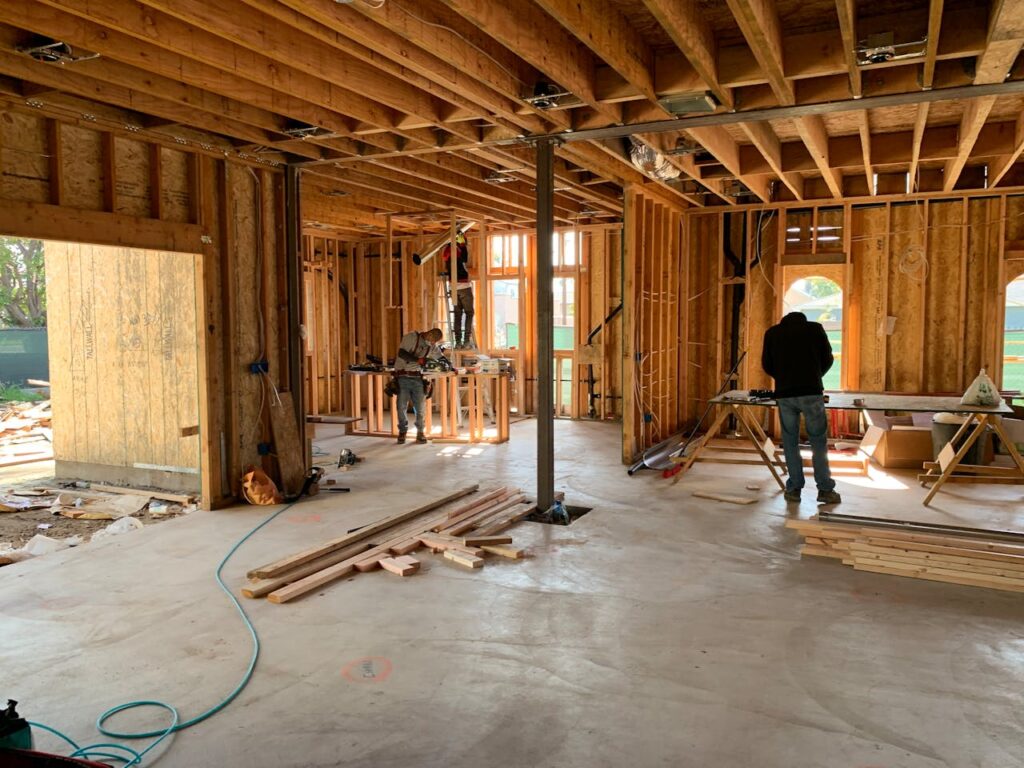
Once permits are in place, the crew can start prepping the site.
This can include:
- Locating utilities
- Demolition (if needed)
- Excavation
- Pouring a slab or setting footings
Foundation work often takes 1 to 3 weeks, depending on weather, soil conditions, and the foundation type.
Step 4: Framing and getting the space “dried in”
Framing is when the addition starts looking like a real structure. After framing, the goal is to get the addition “dried in,” meaning the roof, exterior walls, windows, and doors are installed so rain stays out.
This phase is often 2 to 5 weeks.
Step 5: Rough-ins and inspections
Next comes the work inside the walls.
This often includes:
- Wiring for outlets, lighting, and switches
- Plumbing lines (if you are adding a bathroom or laundry room)
- Ductwork and HVAC updates
You may have inspections during this stage. Rough-ins often take 1 to 3 weeks, based on the size and complexity of the addition.
Step 6: Insulation, drywall, and finishes
This stage usually takes the longest because it includes many detailed tasks.
Common work includes:
- Insulation
- Drywall and texture
- Paint
- Flooring
- Cabinets and trim
- Fixtures and final electrical
This phase often takes 3 to 8 weeks. Special-order items can add time if they arrive late.
What can make a home addition take longer?
Even with good planning, delays happen. The most common causes are:
- Permit and inspection scheduling delays
- Design changes after construction starts
- Hidden issues in the existing home (old wiring, water damage, framing problems)
- Weather delays
- Material backorders
The best way to reduce delays is to lock in decisions early and work with a builder who communicates clearly.
Modern Blu can help you plan a home addition with a realistic schedule, clear steps, and fewer surprises. Reach out to schedule a consultation and get an estimate based on your home, your goals, and your timeline.